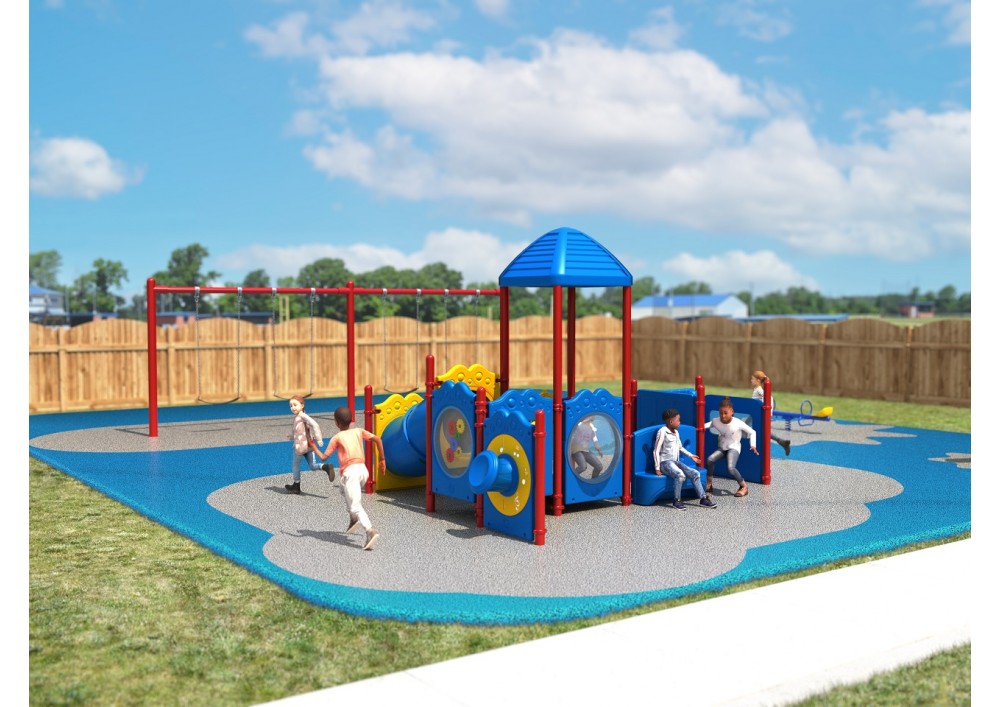
Designing a playground in a hot climate requires more than choosing colorful slides and climbing structures. In states like Texas and throughout other warm-weather regions, heat plays a major role in how safe, comfortable, and enjoyable a playground will be throughout the year. Without proper planning, playground equipment can become too hot to touch, surfaces can retain dangerous levels of heat, and outdoor spaces may sit unused during the hottest parts of the day.
Modern commercial playground design for the heat focuses on creating environments that remain comfortable, functional, and inviting even during high temperatures. Through smart material choices, strategic shade planning, airflow optimization, and thoughtful layouts, playgrounds can stay cool, safe, and fun for children and families alike.
In this article, we’ll explore the most important strategies for designing playgrounds that perform well in hot climates and why heat-conscious playground planning is becoming increasingly important for schools, parks, HOAs, churches, and community spaces.
Why Heat Matters in Playground Design
Heat affects every part of the playground experience. Playground equipment exposed to direct sunlight can quickly become uncomfortable or even unsafe for children. Surfaces such as metal slides, rubber surfacing, and dark-colored plastics absorb and retain heat, increasing the risk of burns and discomfort.
High temperatures can also reduce playground usage. Families are less likely to visit outdoor spaces if they feel too hot or lack adequate shade and comfort features.
A heat-conscious playground design helps solve these issues by improving usability, extending playtime, and creating a safer environment overall.
Common Heat-Related Playground Challenges
Before designing for hot climates, it’s important to understand the most common problems playgrounds face in warm weather.
1. Overheated Equipment
Metal and dark-colored surfaces can reach extremely high temperatures under direct sunlight.
2. Hot Safety Surfacing
Certain rubber and synthetic surfaces retain heat, making them uncomfortable for children to walk or play on.
3. Lack of Shade
Open playgrounds without shade structures become difficult to use during midday hours.
4. Reduced Comfort for Caregivers
Parents and caregivers supervising children also need comfortable seating and shaded areas.
5. Faster Material Wear
Excessive UV exposure can cause fading, cracking, and premature material deterioration.
Addressing these concerns early in the design process significantly improves long-term performance and user experience.
Strategic Shade Planning Is Essential
One of the most effective ways to reduce playground temperatures is through proper shade integration. Shade structures help lower surface temperatures while making the playground more inviting during warmer months.
Types of Playground Shade Solutions
Fabric Shade Structures
Fabric canopies are a popular choice because they:
· Block harmful UV rays
· Reduce direct sunlight exposure
· Lower equipment temperatures
· Add visual appeal
These structures are available in many shapes and colors, making them easy to integrate into modern playground designs.
Pergolas and Roof Structures
Permanent roof systems provide consistent protection and work well over seating areas, sensory zones, or smaller play structures.
Benefits include:
· Long-term durability
· Architectural appeal
· Reduced direct heat exposure
Natural Shade from Trees
Landscaping can also play a major role in temperature control. Strategically planted trees help cool surrounding areas naturally while improving aesthetics.
Benefits include:
· Natural airflow improvement
· Long-term cooling effects
· Eco-friendly environmental benefits
Combining natural and built shade solutions creates the most effective results.
Choosing Heat-Resistant Playground Materials
Material selection has a direct impact on how hot playground equipment becomes throughout the day.
Smart Material Choices Include:
Light-Colored Components
Lighter colors reflect sunlight instead of absorbing it, helping surfaces stay cooler.
Powder-Coated Steel
Modern coated steel helps reduce heat retention compared to untreated metal surfaces.
UV-Resistant Plastics
Commercial-grade plastics designed for outdoor use resist fading, cracking, and overheating.
Composite Materials
Composite materials can offer improved durability and reduced heat absorption compared to traditional options.
Avoiding dark metal surfaces and choosing heat-conscious materials greatly improves safety and comfort.
Surfacing Choices That Stay Cooler
Playground surfacing is often one of the hottest areas in outdoor spaces. Choosing the right surfacing material is critical for both safety and comfort.
Popular Heat-Friendly Surfacing Options
Engineered Wood Fiber (EWF)
Engineered wood fiber remains one of the coolest surfacing options available.
Benefits include:
· Lower surface temperatures
· Natural appearance
· Budget-friendly installation
Poured-in-Place Rubber (Light Colors)
While darker rubber can become hot, lighter-colored poured rubber surfaces help reduce heat absorption.
Advantages include:
· Smooth accessibility
· Excellent impact protection
· Custom color options
Rubber Mulch
Rubber mulch offers durability and shock absorption while often remaining cooler than solid rubber systems.
Selecting lighter colors and shaded placement further improves surfacing performance.
Designing for Airflow and Ventilation
Air movement plays a surprisingly important role in keeping playgrounds cool. Poorly designed layouts can trap heat and reduce comfort levels.
Airflow Improvement Strategies
· Avoid overcrowding equipment
· Leave open pathways between structures
· Position taller structures to avoid blocking airflow
· Incorporate landscaping that encourages breeze movement
Open layouts allow heat to dissipate more effectively and create a more comfortable environment.
Orienting Equipment Away From Direct Sunlight
The placement and orientation of playground equipment can dramatically affect heat exposure.
Smart Orientation Tips
· Position slides away from direct afternoon sun
· Place metal components in shaded areas
· Use nearby buildings or shade structures strategically
· Keep seating areas protected from peak sunlight
Thoughtful orientation helps reduce heat buildup throughout the day.
Cooling Zones and Rest Areas
Children need opportunities to cool down during active play. Including shaded rest zones helps improve safety and extends playground usability.
Important Cooling Features Include:
· Covered benches
· Picnic areas with shade
· Hydration stations nearby
· Quiet spaces for breaks
These features also improve comfort for parents and caregivers supervising children.
Water Play Features for Hot Climates
Water play elements are becoming increasingly popular in hot-weather playgrounds because they combine cooling with active fun.
Water-Based Features Include:
· Splash pads
· Mist sprayers
· Interactive fountains
· Water tunnels and spray arches
These additions help keep children cool while encouraging active outdoor play.
Inclusive Design for Comfortable Play
Inclusive playground design becomes even more important in hot climates. Children of all abilities should have access to comfortable, shaded, and safe play experiences.
Inclusive heat-conscious features include:
· Shaded sensory play areas
· Accessible cooling zones
· Comfortable pathways with reduced heat retention
· Ground-level activities under shade structures
These thoughtful details ensure that every child can enjoy the playground safely.
Long-Term Maintenance for Heat Performance
Heat and UV exposure can accelerate wear and tear on playground equipment. Routine maintenance helps preserve both safety and appearance.
Maintenance Tasks Include:
· Checking surface temperatures regularly
· Inspecting for fading or cracking
· Tightening hardware exposed to temperature changes
· Cleaning surfaces to maintain reflectivity
Ongoing maintenance ensures long-term performance in challenging climates.
Why Professional Playground Design Matters
Designing playgrounds for hot climates requires experience and planning. Every decision—from material selection to shade placement—affects comfort and usability.
Working with experienced providers like MVP Playgrounds ensures:
· Heat-conscious design strategies
· Commercial-grade materials built for warm climates
· Proper surfacing recommendations
· Safety-focused layouts
· Long-term durability planning
Professional guidance helps create outdoor spaces that remain enjoyable even during the hottest seasons.
The Long-Term Benefits of Heat-Conscious Playgrounds
Investing in heat-friendly playground design provides lasting advantages for communities.
Long-Term Benefits Include:
· Increased playground usage
· Improved child safety
· Greater comfort for families
· Reduced maintenance issues
· Longer equipment lifespan
· Enhanced community satisfaction
A cooler playground is simply a more usable and successful playground.
Apartment Outdoor Play Equipment
Playground Equipment For Churches
Daycare Commercial Playground Equipment
Final Thoughts
Commercial playground design in hot climates requires more than attractive equipment—it requires thoughtful planning focused on comfort, safety, and long-term usability. By incorporating shade structures, heat-resistant materials, cooler surfacing, and smart layouts, communities can create playgrounds that remain inviting even in extreme temperatures.
Whether for schools, parks, HOAs, churches, or community developments, designing for the heat ensures children can continue enjoying active outdoor play safely and comfortably.
With expert support from MVP Playgrounds, organizations can build playgrounds that stay cool, safe, and fun for years to come.
 riyanmichelbusiness
Leave a comment